
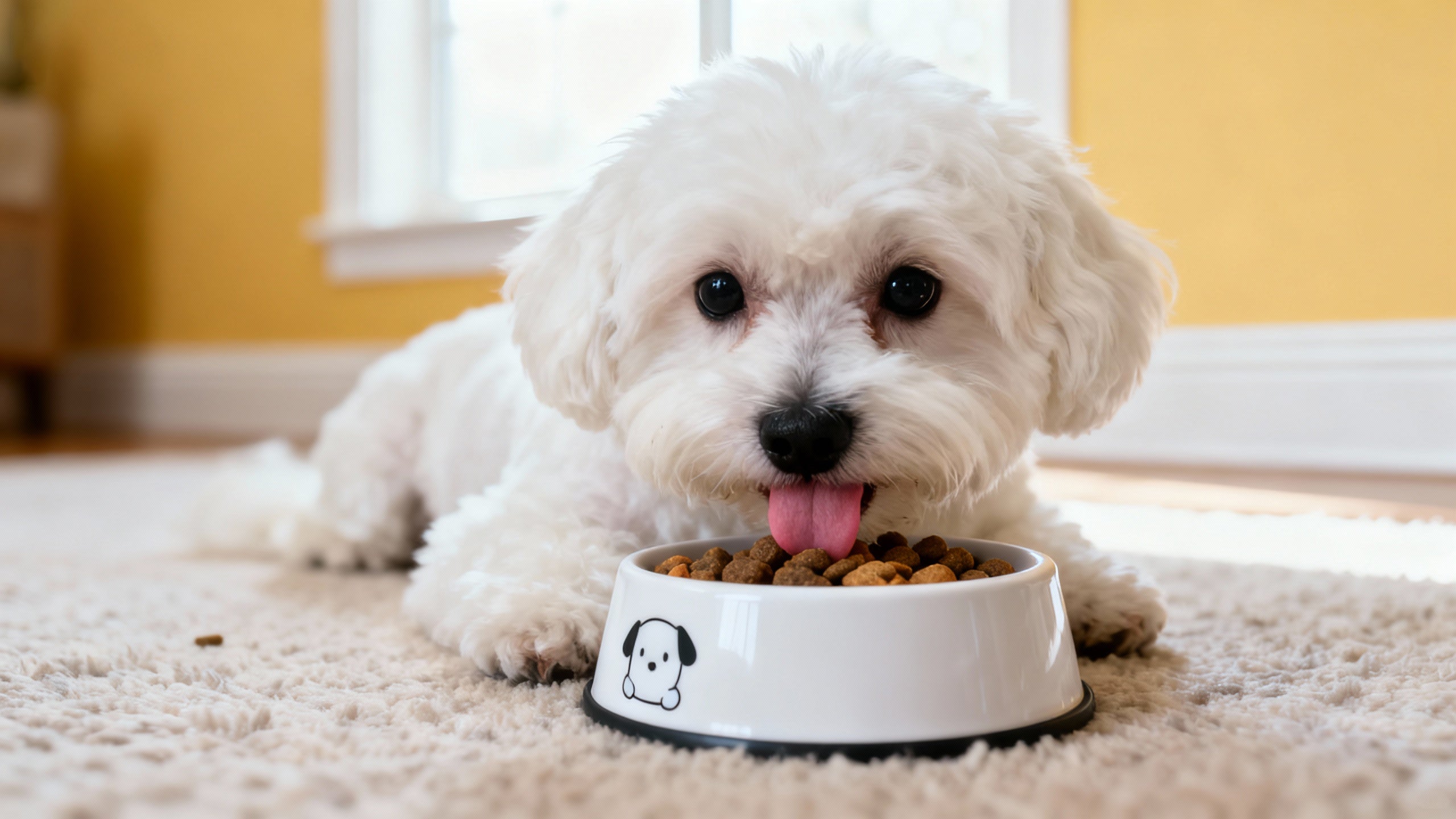
Does your dog rate as a world-class couch potato, satisfied with the occasional stroll around the block? Perhaps they are an endless ball of energy, always game for a five-mile run whenever the urge strikes?
Recognition of your dog’s inherent level of activity represents the most crucial step for dog owners committed to caring for their pet responsibly. Not only will this information affect the exercise plan and mental stimulation routine you provide your dog, it will ultimately affect the dietary requirements for a happy, healthy dog.
Why Your Dog's Activity Level Is So Important
A dog’s activity level involves not only the level of exercise it gets when it’s running around and playing. Its activity level is an essential part of its biology, as it influences the level of calories and nutrients it needs on a daily basis. An improper diet for a dog’s activity level results in serious health issues. An active dog that receives inadequate nutrition may not be able to do justice to its performance, may lose weight, and may suffer from a dull coat. On the other hand, an overnourished dog who leads a less active lifestyle faces the risk of being obese, which may cause severe pressure on their joints and internal organs and may result in a shortened life span.
The Three Main Tiers of Canine Activity
All dogs have individual personalities. But nearly every dog can be classified into one of three types. Recognizing what type your dog is is the first part of satisfying their individual needs.
The Low-Activity Companion
These are the gentle souls and laid-back companions of the dog world. Their typical activities include short and easy walks, lots of napping, and a little bit of playing indoors. It is less likely that they will be your running buddy.
- Common Breeds: Basset Hounds, Bulldogs, Pugs, Shih Tzus, and numerous seniors of ALL breeds.
- Exercise Requirements: Generally requires 30-60 minutes of low-impact exercise daily. This could be a gentle stroll or a leisurely sniffing session around the yard.
- Primarily Concerned About: Their low energy output causes them to easily gain weight. It is crucial to ensure that their dietary needs are taken care of without causing them to be obese. Learning how much you should feed your pet is the best way to manage their weight effectively.
The Moderate-Activity Family Dog
This category represents the "average" family pet. They are active and playful, enjoying consistent daily exercise and looking forward to weekend adventures. They have a good balance of energy and downtime, happy to go for a long walk but equally content to relax at home afterward.
- Common Breeds: Golden Retrievers, Beagles, Labrador Retrievers, Australian Shepherds, and most mixed-breed dogs.
- Exercise Needs: They thrive on about 60-90 minutes of daily activity, which could include brisk walks, games of fetch, or a trip to the dog park.
- Primary Concern: Maintaining their ideal weight and body condition requires a balanced and consistent routine. They need a quality, healthy dog food that supports their daily activities without providing excess calories.

PetCoolGo GoCore™ Dog Dry Food – 32% High Protein | Chicken & Duck Balanced Multi-Meat Protein | 4lb / 11lb
Size: 4lb
The High-Activity Athlete
These dogs are born to move. They are often working breeds or canine athletes who possess incredible stamina, drive, and a genuine need for intense physical and mental stimulation. A simple walk around the block will not suffice for these energetic powerhouses.
- Common Breeds: Border Collies, Belgian Malinois, Siberian Huskies, Vizslas, and Weimaraners.
- Exercise Needs: They require at least 90 minutes to two hours of vigorous, high-impact exercise daily. This includes running, swimming, agility training, or participating in dog sports.
- Primary Concern: Their bodies are like high-performance engines that require premium fuel. This is where a specialized dog food for active dogs becomes essential to support muscle maintenance, joint health, and sustained energy output.

How to Accurately Assess Your Dog's Level
Breed tendencies provide a good starting point, but your dog's individual personality, age, and health are just as important. To get a clear picture, ask yourself a few questions:
- After a 30-minute walk, is my dog tired and ready for a nap, or are they just getting warmed up?
- Does my dog get restless, destructive, or anxious if they miss a day of significant exercise?
- How much of my dog’s day is spent sleeping versus actively moving, playing, or pacing?
- Does my dog participate in any high-intensity activities like running, hiking, or dog sports on a regular basis?
Your honest answers will give you a much more accurate assessment than breed alone.
Matching Your Dog's Food to Their Lifestyle
After you have determined the activity level of your dog, you can then decide what to feed them.
For a lower-activity dog, the real concern is weight management. A high-quality food with moderate amounts of protein and less fat, and lots of fiber, will help to satiate them. Portion control is absolutely crucial.
The moderate-activity dog will thrive on a well-balanced food that is formulated for maintenance. A high-quality dog food with high-grade animal protein as the first component, moderate levels of fat, and wholesome grains or vegetables will satisfy their nutritional needs.
A high-activity dog requires a specialized nutritional plan. Their food needs to facilitate quick muscle repair. It also needs to serve as a high-energy-density food. This is the role that specialized high-activity dog food plays. It usually includes high concentrations of both protein and fat. A high-protein dog food can repair muscle tissue that is damaged during high-intensity exercise. Higher concentrations of fat provide a concentrated source of the calories needed to fuel their adventures.
Why Active Dogs Need High-Protein Diets
When a dog is actively engaged in strenuous exercises, it results in minute tears in muscle tissues. This process requires proteins to rebuild the muscle tissues and to restore them to their former strength. A dog’s regular food does not always have the requisite material to facilitate muscle restoration. When selecting high-protein dog food, it is important to consider brands that have a high-quality named animal product (such as chicken or fish) as their first constituent. This is crucial in helping to ensure that the high protein is readily digestible to the dog and that it provides it with the entire spectrum of essential amino acids.
Other Factors to Consider
Remember to view your dog's needs holistically.
- Age: A puppy has different nutritional needs than an adult, and a senior dog's metabolism and activity level will naturally slow down.
- Health Conditions: Dogs with specific health issues may require a veterinary diet, regardless of their activity level.
- Body Condition: Regularly assess your dog's body condition. You should be able to easily feel their ribs but not see them. Adjust their food intake as needed to maintain a lean, healthy physique.

Final Thoughts: Matching Your Dog's Activity Level with Proper Nutrition
Determining your dog's activity level is about more than just satisfying their need to run and play; it's about honoring their individual nature. By providing the right amount of exercise for their energy level and fueling them with the appropriate nutrition—whether it's a carefully portioned meal or a high-performance healthy dog food—you are giving them the greatest gift of all: the foundation for a long, vibrant, and happy life by your side.


Leave a comment
This site is protected by hCaptcha and the hCaptcha Privacy Policy and Terms of Service apply.